
.jpeg)
The Commission touched down in San Diego from June 10-11, clearing a two-day agenda instead of the usual three. As always, your Surfrider California policy team was onsite, advocating for coastal access, resource protection, and proactive climate adaptation, the core priorities of our California Beaches Forever campaign to protect our state's irreplaceable coast for the long term.
Read on for a few highlights from the June meeting.
Surfrider backs an interim fix for cross-border sewage fumes
First up: Surfrider strongly supported approval of San Diego County's interim fix for the transborder sewage fumes that have plagued south San Diego communities for years. The project extends two pipe culverts at the Saturn Boulevard crossing of the Tijuana River to reduce aerosolized hydrogen sulfide and other toxic pollutants. Through our San Diego-based Clean Border Water Now (CBWN) program, Surfrider is highly involved in the fight for environmental justice in the San Diego/Tijuana cross-border region. For a full readout on this particular project and how it will immediately improve the lives of the surrounding community, we've included a deeper dive below this post.
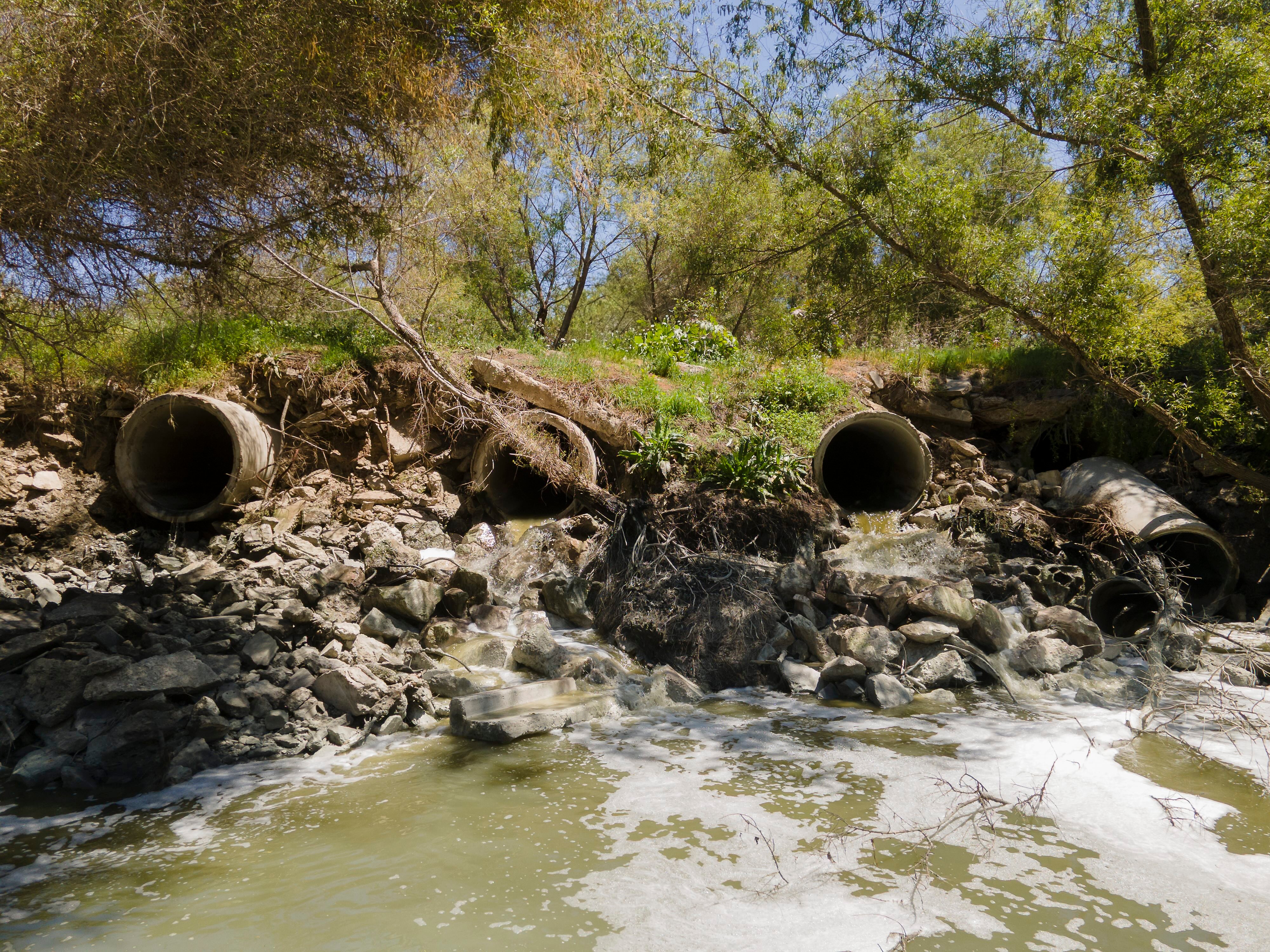 The Saturn Boulevard river crossing (credit: Surfrider Foundation and Veriditas Rising)
Also on the docket
Wednesday brought a few other items worth noting. The Commission heard an informational update on the pupping sea lions at La Jolla Cove and the volunteer docents working to protect them. It approved changes to hours at 35 San Diego beach and bay parking lots, while securing meaningful access mitigation for several lots whose hours had already been changed without benefit of a Coastal Developmnent Permit (CDP). And marking the Coastal Act's 50th anniversary, staff walked through how the Commission has permanently conserved nearly 12,000 acres of coastal habitat through its offer-to-dedicate program, plus the story behind one of the first vertical public accessways it ever secured, back in 1974 in La Jolla.
Surfrider raises alarm about San Clemente armoring
On Thursday morning, Surfrider representatives updated Commissioners on the Orange County Transportation Authority's (OCTA) efforts to armor San Clemente's coastline to protect its rail line. Surfrider recently commissioned independent coastal scientist Bob Battalio to study the impacts of OCTA's emergency armoring, which has already destroyed the beach between San Clemente and Trestles, and its plans to keep armoring northward into the southern half of San Clemente State Beach. The report examines the long-term impacts of those proposals (in short: accelerating beach loss) alongside the feasibility of nature-based alternatives that could preserve both the beach and the railroad for now. But preserving San Clemente's southern beaches over the long term will ultimately mean relocating the railroad as seas rise and erosion worsens.
A beach festival, and a bigger fight over Commission review
In a very different kind of coastal access question, the Commission also approved an application from Goldenvoice (the Coachella folks) and the City of Santa Monica for a two-day beachfront music festival just south of the pier. The event will close off public access to a stretch of beach, but the Commission secured an impressive community benefits package in return: free tickets for underserved communities, ocean safety programming, cultural activations, and a commitment from the City to reinvest part of its profits into beach amenity improvements. We submitted comments highlighting that Commission reviews like this one are now under threat. Recent state legislation took aim at key Coastal Act protections, including the Commission's authority to independently review large private beach events like this one. We've included a deeper look below, because this permit matters well beyond the festival itself.
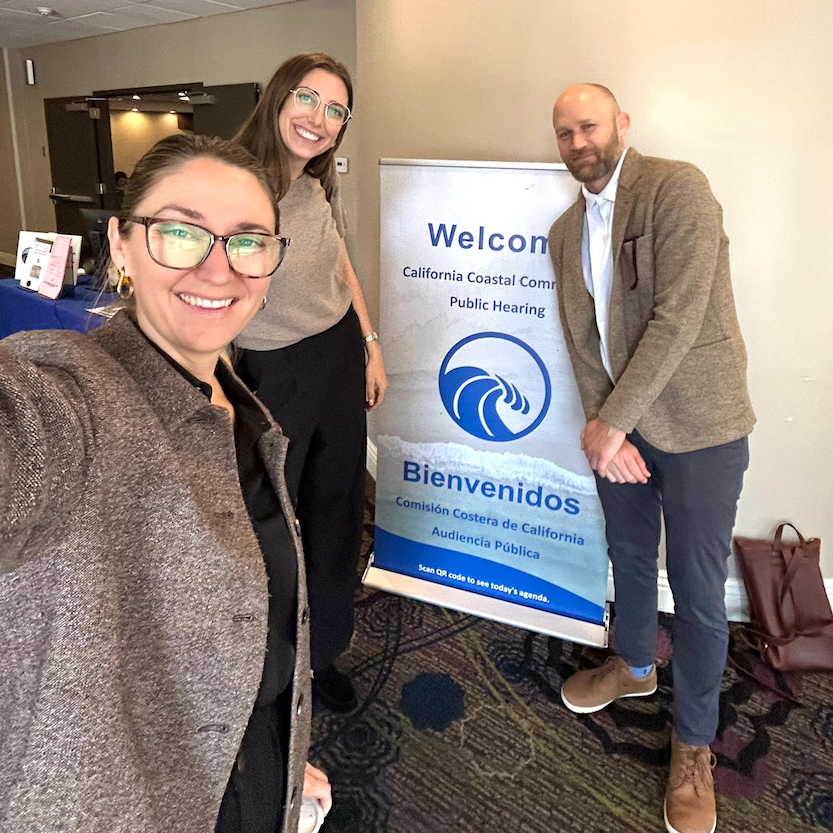 Yours truly, along with Surfrider co-conspirators Alex Ferron-Mignogna & Michaela Coats
Deeper Dives
Want the full picture? ActCoastal, our Coastal Commission accountability project, tracks every meeting and scores important votes as either Pro-Coast or Anti-Coast. The deeper dives below come straight from the June report.
 Mitch served in various volunteer leadership positions with the San Diego Chapter before being hired on as Chapter Manager in 2018. In 2022, he transitioned to the chapter’s policy role. In 2025, he's broadened his scope as California's Senior Policy Coordinator.